

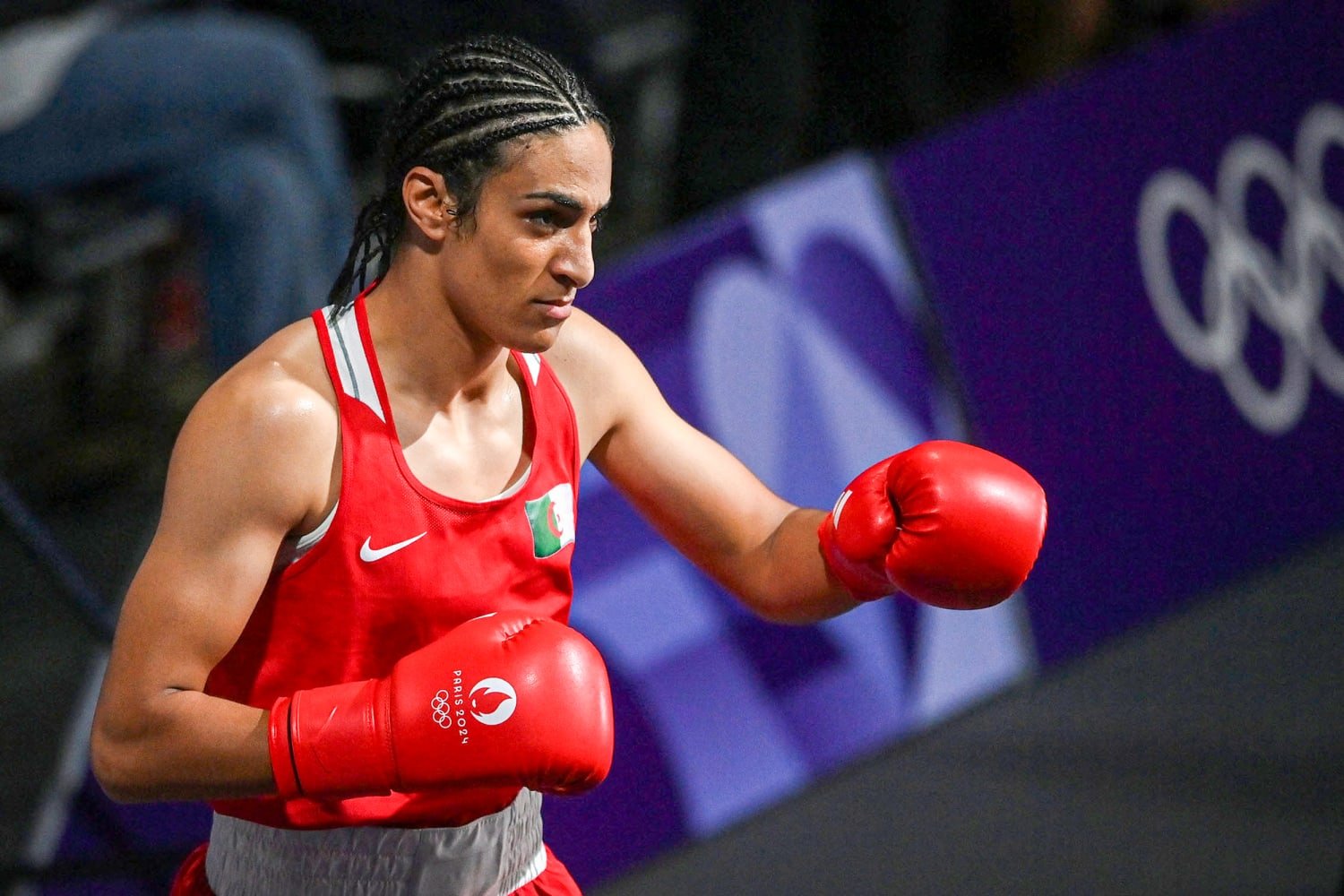
Imane Khelif is ready to fight in the ring — and take a test if needed. What she never expected was to fight political battles outside it.
After securing gold at the Paris 2024 Olympics, the Algerian boxing star became more than an athlete in the public eye. Instead of simply celebrating her victory, she found herself at the center of a global controversy fueled by misinformation, political rhetoric, and culture wars far beyond her control.
From Olympic Glory to Political Target
Khelif’s triumph at the Paris Games should have marked a defining chapter in her career. Instead, it opened the door to intense public scrutiny. Some influential political figures, including former US President Donald Trump, referenced her win while defending policies aimed at restricting participation in women’s sports.
During public speeches, Trump inaccurately described her in ways that intensified the controversy. His remarks coincided with debates surrounding executive actions such as “Keeping Men Out of Women’s Sports” and broader legal battles over transgender athlete participation in female categories.
For Khelif, however, the political storm felt deeply personal. She made it clear: she is not transgender. She is a woman. And she wants to live her life without becoming a symbol in someone else’s agenda.
“I’m not part of anyone’s politics,” she has emphasized. “Please don’t use my name.”
Finding Peace Inside the Gym
Inside her Paris training gym, the noise fades away. There, she is not a headline or a talking point — she is simply an Olympic champion.
On a gray winter afternoon, young girls line up eagerly for photos, smiling beside their hero. In their laughter and admiration, Khelif sees reflections of her own childhood dreams. For them, she represents possibility — proof that a girl from humble beginnings can reach the top of the world.
The 26-year-old’s journey from rural Algeria to Olympic gold was shaped by resilience. In a society where boxing was not traditionally encouraged for girls, she pushed forward. She trained relentlessly, funded her ambitions creatively, and refused to let cultural expectations define her limits.
The Debate Over Eligibility Rules
Now, her story intersects with larger debates in global sports governance. The International Olympic Committee (IOC) is considering new policies regarding eligibility in women’s competitions. These discussions include whether genetic testing could return as a requirement for participation.
IOC President Kirsty Coventry has spoken about protecting the female category in sport. Stricter rules, including potential biological or chromosomal testing, are being reviewed ahead of future Olympic Games, including Los Angeles 2028.
Khelif’s stance is clear: she respects the IOC’s authority and has nothing to hide. Imane Khelif is ready to fight in the ring — and take a test if needed. However, she believes fairness must not come at the cost of harming other women.
“Protect women,” she says, “but don’t hurt women in the process.”
Her comments mark the first time she has openly addressed the possibility of undergoing genetic testing since amateur boxing’s governing body introduced mandatory tests for athletes over 18.
World Boxing’s Decision and Its Fallout
The controversy intensified when World Boxing announced mandatory genetic testing for competitors. An online report alleging that Khelif carried XY chromosomes began circulating widely — a claim she firmly denies, calling it inaccurate and manipulated.
When World Boxing publicly named her in its policy announcement, it triggered a new wave of online attacks. Though the organization later apologized for singling her out, the damage had already been done.
Khelif withdrew from the World Championships amid the turmoil and has not returned to international competition since. She has taken her case to the Court of Arbitration for Sport (CAS), determined to clear her name.
“I will not give up until justice is served,” she says confidently.
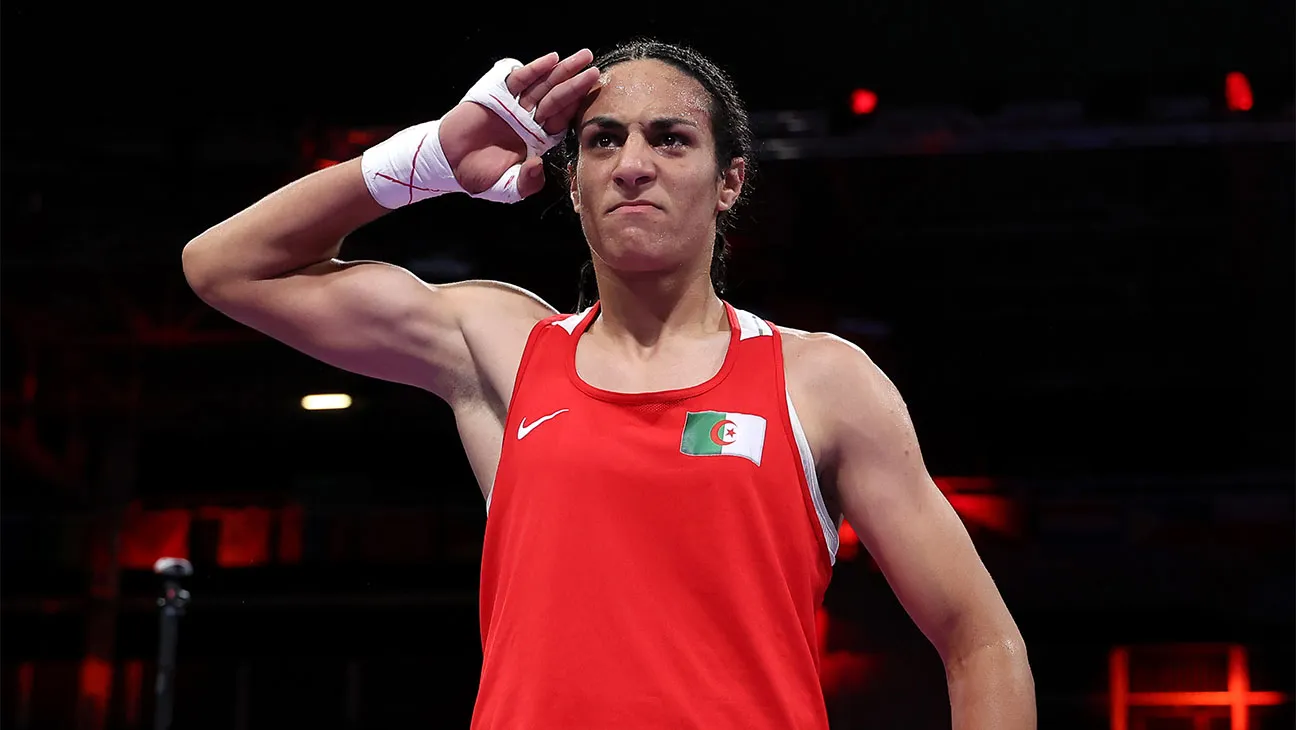
A Debate Bigger Than One Athlete
Khelif recognizes that what she is facing extends beyond her personal story. Around the world, discussions about gender, biology, and fairness in sports are intensifying. Athletes with differences of sex development (DSD) — natural biological variations in hormones or chromosomes — are increasingly under scrutiny.
Medical experts note that such variations are part of normal human biology. Yet sports bodies have implemented testosterone limits for certain athletes competing in female categories.
Khelif acknowledges she naturally has higher testosterone levels but explains that she has followed medical advice to manage them well before the Olympics.
“Boxing is not about hormones,” she insists. “It’s about intelligence, strategy, experience, and discipline.”
Her argument reflects a broader scientific debate. While some organizations argue that testing preserves fairness, many medical associations warn that invasive policies risk oversimplifying complex biology and stigmatizing athletes.
More Than a Controversy
Despite everything, Khelif remains grounded. After training sessions, she often visits her favorite Algerian café, greeting fans warmly. A fashion enthusiast and ambassador for a beauty brand in Algeria, she embraces her femininity without apology.
For her, identity is not up for debate. She is proud of who she is — both as a woman and as an athlete.
Growing up in a rural village four hours from Algiers, she sold scrap metal to afford boxing lessons. Every punch she throws carries that history of sacrifice and determination.
Today, her message is simple: let her compete. Let her train. Let her live.
Because at the end of the day, Imane Khelif is ready to fight in the ring — and take a test if needed. What she refuses to do is surrender her dignity or allow politics to overshadow the sweat and discipline that made her an Olympic champion.
In a world eager to debate her identity, she remains focused on what she knows best — stepping into the ring, gloves up, prepared to fight her battles the only way she ever has: with courage.