

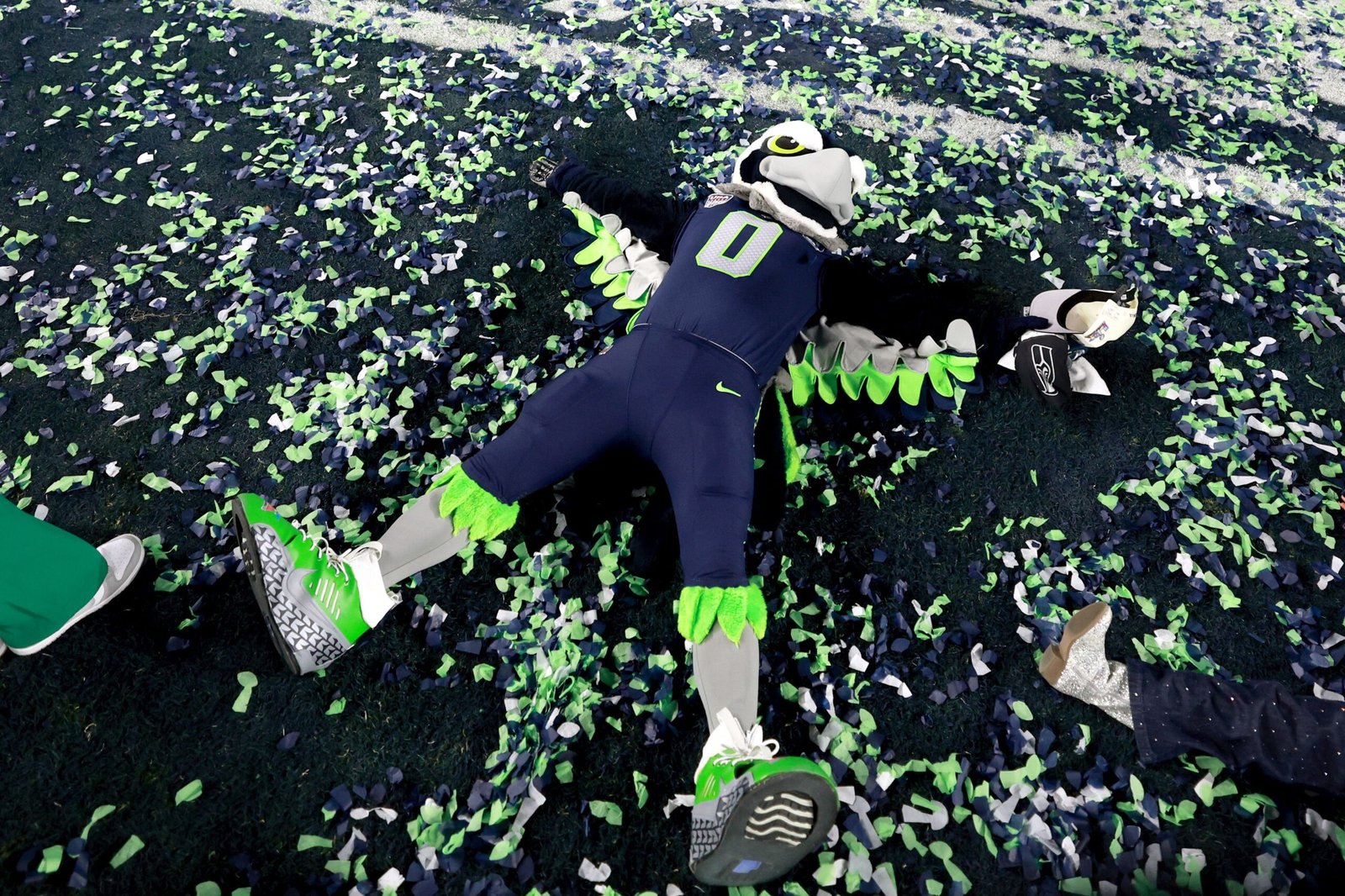
The first time I attended the Super Bowl in person, I realized something surprising: stripped down to its bare bones, football can look almost comically simple. A group of enormous athletes collide at the line of scrimmage. Every few minutes, someone boots the ball as far as possible. One team aims for towering yellow goalposts, while the other sends it flying back the other direction.
For three hours, this rhythm repeats itself — punctuated by a halftime spectacle that feels less like a break and more like a cultural milestone.
From the stands, the mechanics of the game are clearer, but so is the strange contrast between motion and meaning. There is constant action — bodies colliding, players sprinting, coaches gesturing — yet sometimes very little suspense.
When Action Doesn’t Equal Drama
As the game moves into its final stretch, the pace often intensifies. Players race up and down the field. Athletic brilliance flashes in bursts: a perfectly thrown spiral, a defender’s acrobatic interception, a running back bulldozing through a wall of opponents.
And yet, sometimes, the drama never quite materializes. No lead changes. No last-second heroics. No defining, do-or-die play.
The scoreboard ticks forward in a way that feels almost decorative. The winner becomes obvious long before the final whistle.
On television, that kind of Super Bowl might feel forgettable — the sort of game you half-watch while scrolling your phone. But inside the stadium, something entirely different is happening.
The Real Reason 70,000 People Show Up
If the only purpose were to learn who won, no one would spend thousands of dollars on tickets, airfare, hotels, and overpriced concessions. You could get that information instantly — without leaving your couch — from the glowing screen already in your hand.
That’s not why people come.
Even when the game lacks excitement, attending the Super Bowl is still an unforgettable experience.
Being there is about something far less efficient and far more meaningful. It’s about surrendering comfort and certainty in exchange for presence. You give up your perfect camera angles and instant replays for cold seats, long concession lines, and the unpredictable energy of 70,000 strangers breathing in sync.
A Once-in-a-Lifetime Moment
A Super Bowl only happens once. That exact combination of teams, plays, halftime show, crowd energy, and weather will never be replicated.
When you attend, you’re not just watching history — you’re inhabiting it.
That singularity matters. More than 100 million people may watch from home, but very few can say they were physically inside the stadium. It doesn’t make you better than anyone else. It simply makes you the storyteller afterward. When friends ask, “What was it like?” — you don’t have to imagine. You were there.
In a fractured era where shared experiences feel increasingly rare, that counts for something.
Sports as a Rejection of Meaninglessness
At its core, sports are one of humanity’s clearest defiance of nihilism.
Think about it: teams devote months of effort, endure injuries, sacrifice time, and chase a trophy that — in practical terms — changes nothing about the world. A few months later, it all resets. The next season begins. The chase starts over.
Fans invest emotionally for bragging rights that fade as soon as a champion is crowned. Once the confetti settles, attention moves on.
And yet, it all feels monumental in the moment.
Live sports still command enormous commercial power precisely because they are unscripted. The uncertainty cannot be manufactured. When you watch live, your nervous system reacts as if two genuinely different futures hang in the balance. You don’t know what will happen next — and that unpredictability is intoxicating.
The Risk and Reward of Being There
Highlights are thrilling, but they are curated fragments. They offer adrenaline without commitment. Without having endured the slow drives, the defensive stalemates, the punts, and the near-misses, the spectacular plays lose context.
Attending in person is a gamble. You might witness one of the greatest finishes in NFL history. Or you might see a lopsided contest that lacks suspense from start to finish.
And yet — Even when the game lacks excitement, attending the Super Bowl is still an unforgettable experience.
Because the memory isn’t built solely on competitive tension. It’s built on atmosphere.
The roar that rattles your chest.
The sea of jerseys in every direction.
The synchronized gasp of tens of thousands reacting at once.
Those sensations cannot be streamed.
The Pageantry of a “Bad” Super Bowl
Ironically, there’s something almost poetic about attending a mediocre Super Bowl. All the grandeur — fireworks, celebrity sightings, elaborate halftime production — unfolds regardless of the scoreboard.
It becomes a grand communal ritual.
Everyone participates in an expensive, shared belief that this moment matters. That the spectacle holds significance beyond the final score. That joy, anticipation, and collective energy are worthwhile even if the contest itself underwhelms.
You might get a blowout.
You might watch your team trail hopelessly by the fourth quarter.
You might sit surrounded by fans still singing fight songs despite knowing the comeback isn’t coming.
And somehow, that makes it better.
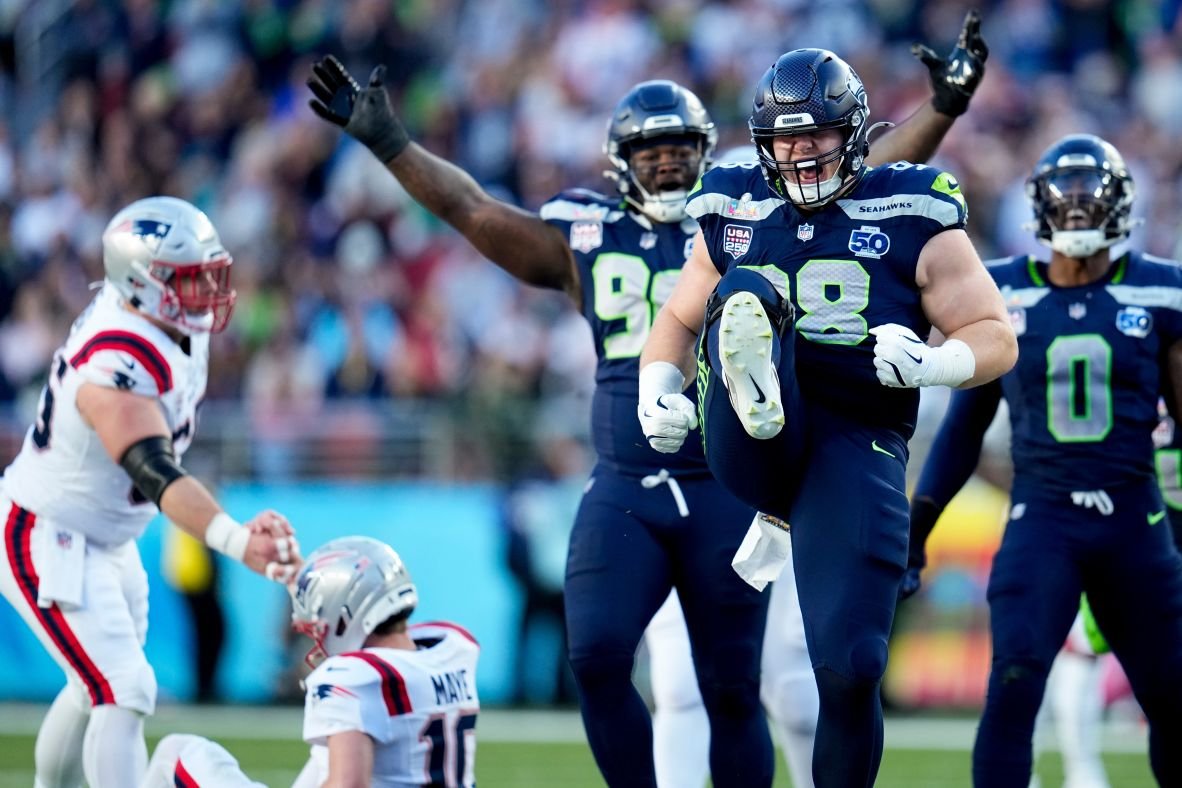
Shared Emotion Is the Real Victory
I remember fans in their jerseys — some proudly representing legends, others already looking ahead to the next generation. They sang, they cheered, they refused to disengage even when the outcome was certain.
I was glad they were there.
Their commitment, their refusal to let the scoreboard dictate their passion, amplified the meaning of the day. The game may not have delivered edge-of-your-seat suspense, but the crowd delivered something richer: shared humanity.
In that stadium, thousands of individual stories converged for a few fleeting hours. Careers brought some people there. Loyalty brought others. Wealth, curiosity, tradition, or sheer luck brought the rest.
For each of us, the meaning was slightly different — and that’s precisely why it mattered.
More Than a Game
A Super Bowl attended in person becomes a talisman. It symbolizes something about who you are at that moment in time — your circumstances, your priorities, your willingness to invest in experience over convenience.
On television, it might blur together with other championship games.
In person, it anchors itself to your memory. The smells, the sounds, the cold air or indoor roar, the halftime spectacle — all fuse into something permanent.
Even when the game lacks excitement, attending the Super Bowl is still an unforgettable experience.
Because the true value isn’t in suspense or scoring margins. It’s in participation. It’s in choosing to be part of something massive, unscripted, and temporary.
The scoreboard eventually resets. The season fades. Another champion will be crowned next year.
But that specific Sunday — that exact convergence of noise, hope, spectacle, and shared belief — will never happen again.