

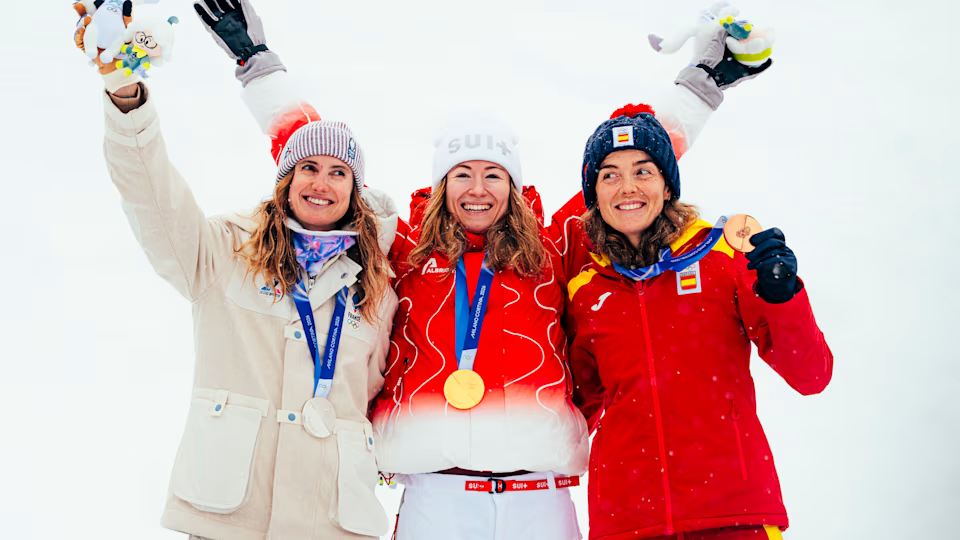
It has been more than a century since the first Winter Olympics took place in 1924 in Chamonix. Now, at the 2026 Winter Games in Milan Cortina 2026, a thrilling new chapter is being written with the debut of ski mountaineering—better known as skimo.
If you’re hearing about it for the first time, consider this Your essential introduction to skimo, the latest addition to the Winter Olympic Games. While skimo may be new to the Olympic spotlight, its roots run deep in mountain culture and endurance sport.
This year, American athletes Cam Smith and Anna Gibson will represent Team USA, showcasing a sport that blends stamina, speed, and split-second precision.
What Exactly Is Skimo?
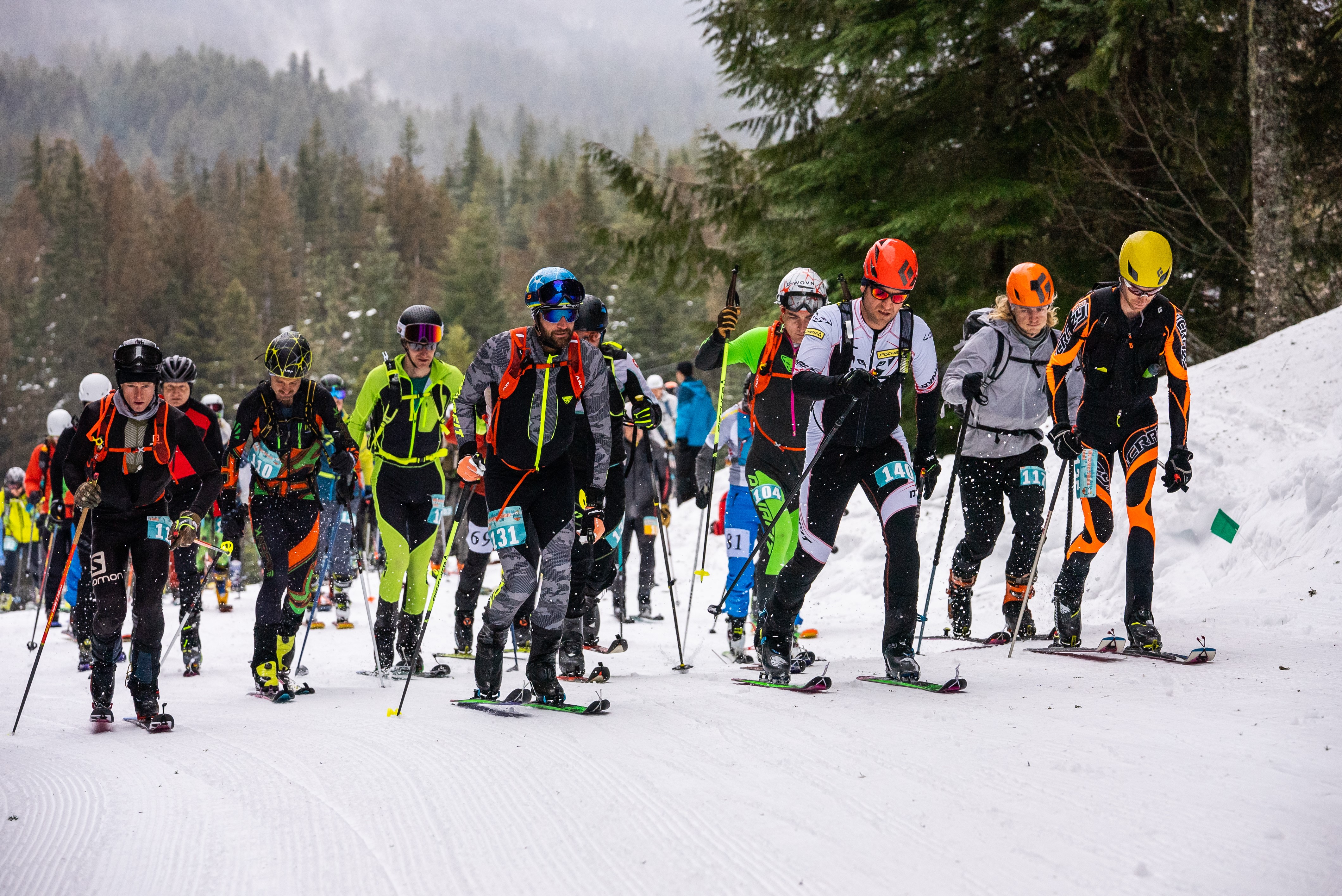
Skimo—short for ski mountaineering—is a high-intensity winter sport that combines uphill climbing and downhill skiing in one continuous race. Athletes ascend snow-covered slopes using specialized skis fitted with “skins,” then transition quickly to ski downhill at top speed.
Unlike traditional alpine skiing, competitors don’t rely on chairlifts. They power themselves uphill before racing back down. The sport demands exceptional aerobic fitness, technical skiing ability, and lightning-fast equipment transitions.
At the Olympics, three events will be contested:
Men’s Sprint
Women’s Sprint
Mixed Relay
The sprint events are explosive, lasting roughly three minutes. Racers climb, transition, climb again, and then descend through a slalom course—all with almost no room for error.
How the Sprint Format Works
The sprint is pure adrenaline. Athletes begin with skins attached to the base of their skis. These textured strips prevent sliding backward while climbing steep slopes.
Here’s how a typical sprint unfolds:
Initial Ascent: Skiers climb using skins.
Boot Pack Section: They remove skis briefly to climb a steep section on foot with skis attached to their packs.
Final Climb: Skis go back on for another ascent.
Transition: Skins are ripped off in seconds.
Descent: A fast slalom run to the finish line.
Every transition matters. A clumsy gear switch can cost the race.
Cam Smith describes the sport as uniquely dynamic. The uphill sections test endurance, the downhill demands fearless speed, and the transitions keep the competition unpredictable. Leads can disappear in an instant.
Mixed Relay: Team Strategy Meets Stamina
The mixed relay introduces teamwork into the chaos. One man and one woman alternate laps, completing four total rounds. Each lap includes two climbs and two descents.
Because the course is slightly longer than the sprint, pacing becomes crucial. Communication, timing, and composure under pressure often determine the outcome.
In a sport where seconds matter, smooth transitions and strategic positioning are everything.
Chaos in the Transition Zone
Perhaps the most dramatic moments in skimo occur in the transition areas.
Picture exhausted athletes fumbling with frozen gear while surrounded by competitors fighting for the same patch of snow. There’s physical contact, aggressive positioning, and tactical maneuvering.
Despite the intensity, unsportsmanlike penalties are rare. Athletes understand the fine line between assertive racing and rule violations.
The sport’s raw competitiveness is part of what makes it so captivating to watch.
A Military Legacy
Long before ski lifts existed, mountain travel required climbing up before skiing down. Skimo evolved from this necessity.
Its history is closely tied to military operations. Soldiers patrolling snowy alpine regions—especially during World War II—used climbing skins to ascend mountains efficiently before skiing down. This technique became both practical transportation and tactical strategy.
Today, several national teams still receive support from military organizations. While Team USA operates independently, the sport’s disciplined and rugged spirit remains rooted in its military past.
Meet Team USA: Two Unique Paths
Anna Gibson: Built for the Mountains
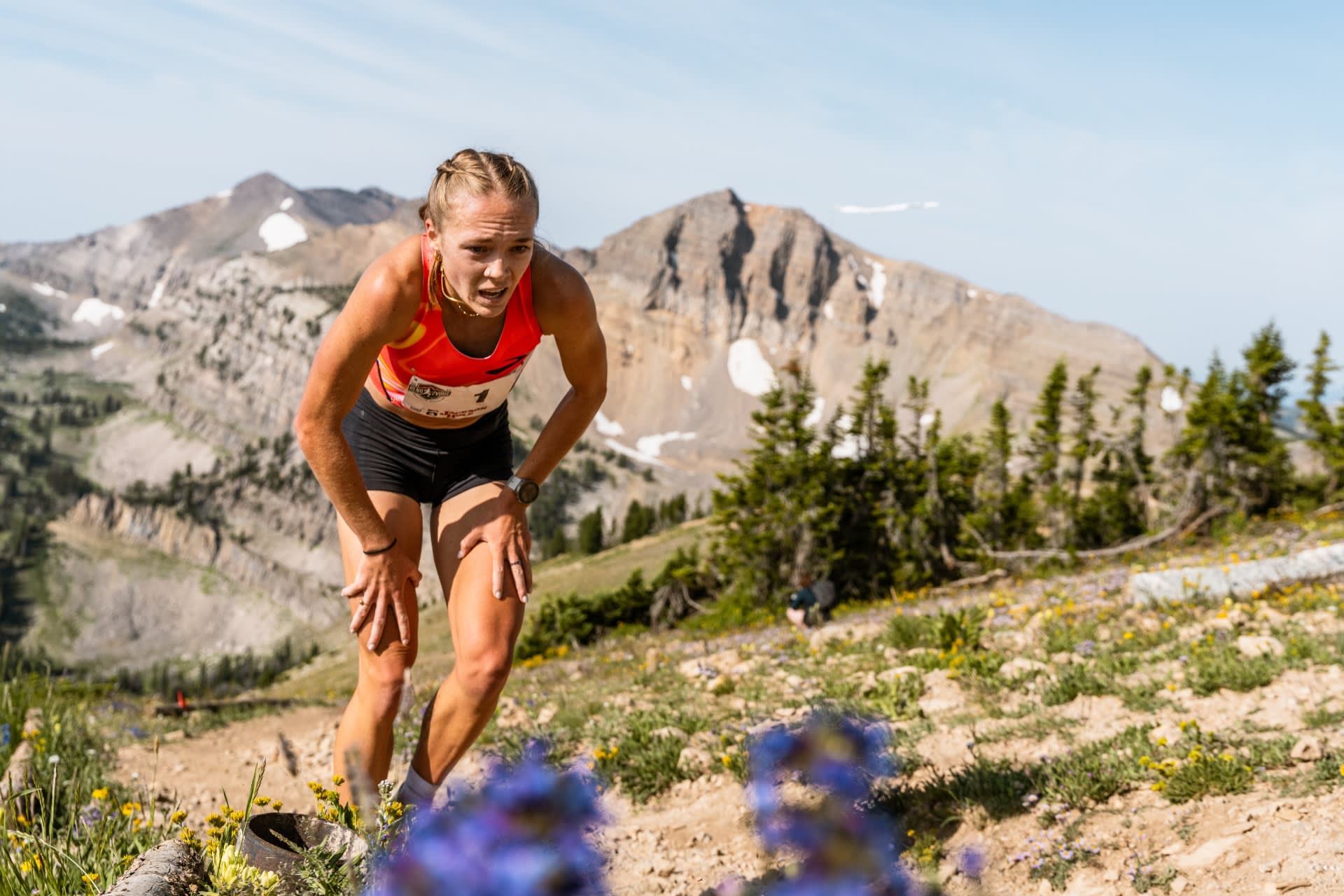

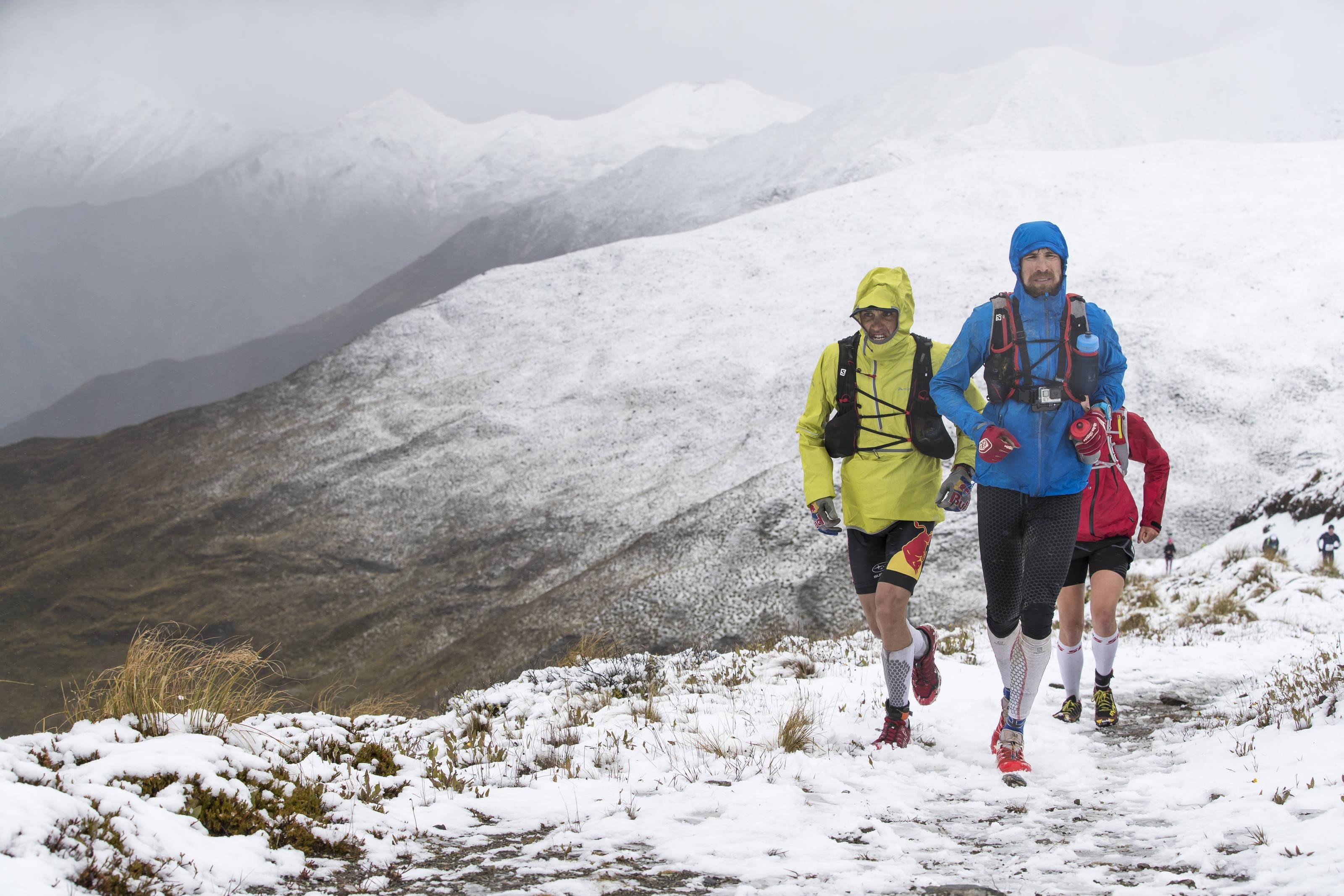
Anna Gibson’s Olympic story is nothing short of remarkable.
Raised in Jackson, she grew up surrounded by mountains. Skiing was part of daily life, and she later developed into a professional trail runner.
Amazingly, Gibson only began competing in skimo months before qualifying for the Olympics. Yet her background made the transition seamless. Years of endurance training, technical skiing, and mountain experience gave her a foundation perfectly suited to the sport.
As a child, she dreamed of becoming an Olympian—first in downhill skiing, then Nordic skiing, then track. Skimo turned out to be the discipline that combined all those ambitions into one.
Her rapid rise culminated in Olympic qualification during her very first World Cup appearance, where she and Smith secured their spot in the mixed relay.
Cam Smith: A Story of Resilience
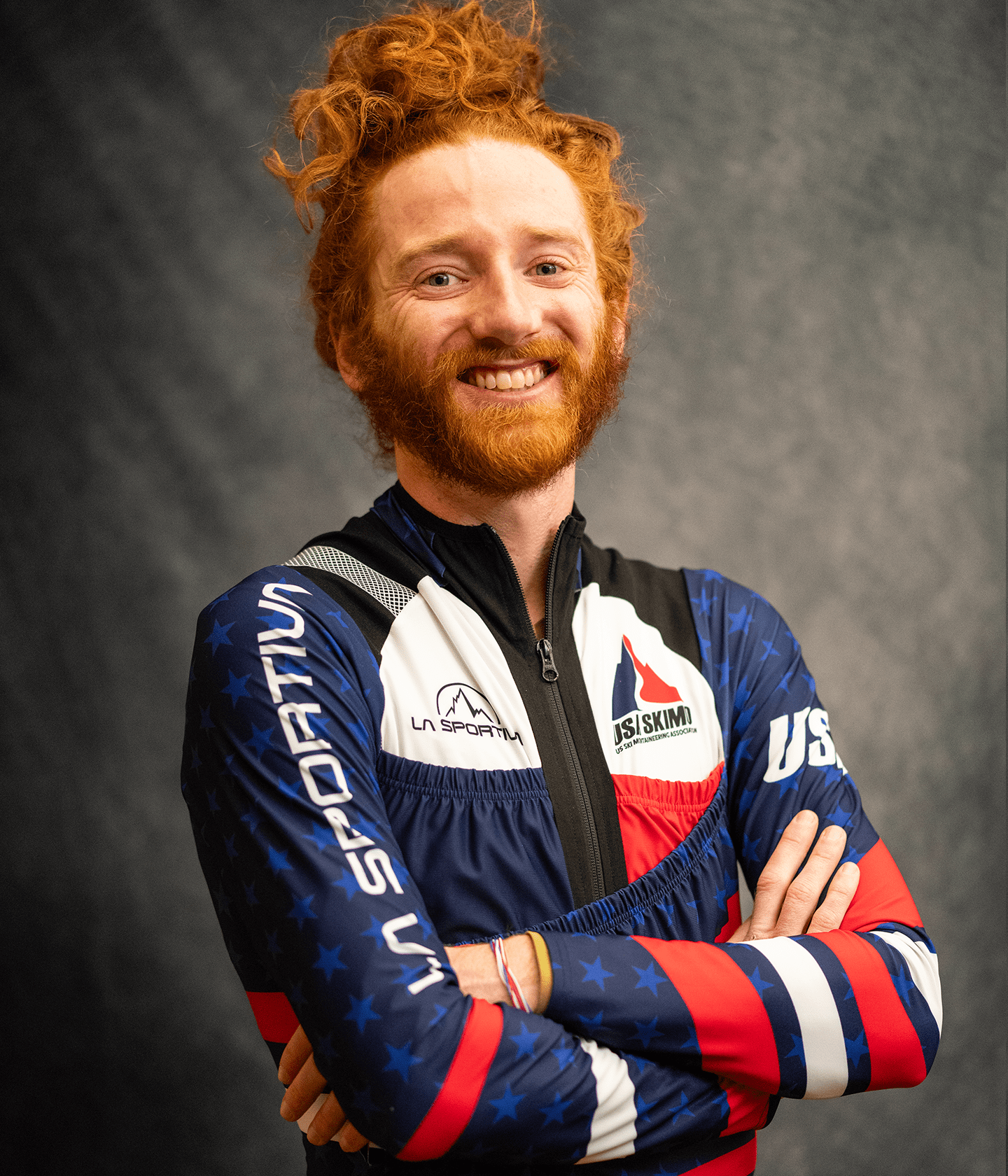

Cam Smith’s journey has been longer and marked by perseverance.
A seasoned trail runner and experienced skimo competitor, Smith has watched the sport grow from a niche mountain pursuit to a full-fledged Olympic discipline. He has endured serious injuries in recent seasons, making his Olympic qualification even more meaningful.
For Smith, the Olympics were once just a spectacle he admired from afar. Becoming part of it feels surreal. Competing at this level after setbacks has deepened his appreciation for the moment.
Why Skimo Is So Exciting to Watch
Skimo isn’t just another skiing event. It’s unpredictable and fast-paced, with constant lead changes. No advantage is safe.
Here’s what makes it special:
Continuous action from start to finish
Tactical battles in transition zones
A blend of endurance and technical skill
Dramatic downhill finishes
Because races are short and intense, spectators experience nonstop drama in just minutes.
Looking Ahead
The Olympic debut of skimo marks a turning point for the sport. Its inclusion at Milan Cortina 2026 reflects years of growth and professionalization.
Many athletes and fans hope additional disciplines—like individual distance races—may be added in future Games. For now, the sprint and mixed relay promise thrilling, high-stakes competition.
As February approaches and the events kick off, one thing is certain: skimo’s Olympic arrival is more than just a new event. It’s a celebration of mountain heritage, resilience, and athletic evolution.
For fans curious about this rising sport, this truly is Your essential introduction to skimo, the latest addition to the Winter Olympic Games—a breathtaking blend of grit, speed, and snowbound strategy that’s ready for its moment on the world stage.