

In recent years, global health efforts have made remarkable strides in fighting infectious diseases, and the measles vaccine has played a key role in these achievements. Despite being preventable, measles continues to pose a threat in some regions due to vaccine hesitancy, misinformation, and gaps in healthcare access. As we progress through 2025, it is essential to recognize the critical role the measles vaccine plays in protecting individuals and communities.
What Is Measles?
Measles is a highly contagious viral disease caused by the measles virus. It spreads through respiratory droplets when an infected person coughs or sneezes. The virus can linger in the air or on surfaces for several hours, making it extremely easy to catch in public spaces.
The symptoms of measles include:
High fever
Cough
Runny nose
Red, watery eyes
A distinctive red rash that starts on the face and spreads
In some cases, measles can lead to serious complications like pneumonia, encephalitis (brain swelling), or even death—especially in young children, pregnant women, and people with weakened immune systems.
How the Measles Vaccine Works
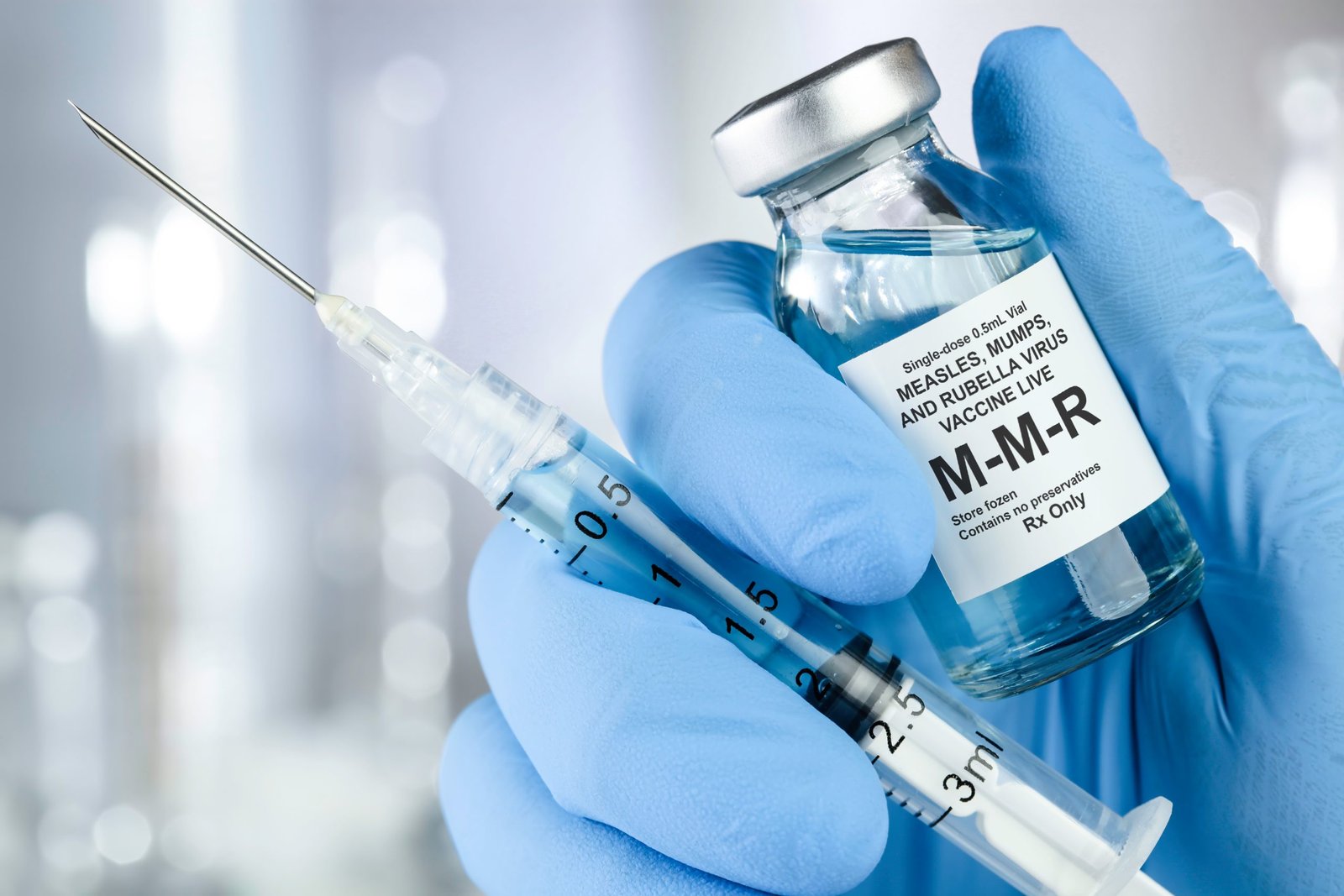
The measles vaccine is usually administered as part of the MMR vaccine, which also protects against mumps and rubella. It is a live attenuated vaccine, meaning it contains a weakened form of the virus that cannot cause illness in healthy individuals but is strong enough to trigger the immune system to build protection.
Typically, children receive two doses of the measles vaccine:
The first dose at 9 to 12 months of age (depending on the country)
The second dose between 15 months and 6 years of age
This two-dose schedule provides about 97% protection against measles. For people who were not vaccinated in childhood, catch-up vaccination is highly recommended.
Why the Measles Vaccine Matters in 2025
Although measles was declared eliminated in many parts of the world in the early 2000s, recent outbreaks in the U.S., Europe, Africa, and parts of Asia have highlighted the ongoing risk. In 2025, public health officials are once again emphasizing the importance of the measles vaccine due to several key factors:
1. Rising Vaccine Hesitancy
Misinformation, especially online, has led to a growing number of parents refusing or delaying vaccination for their children. This drop in vaccination coverage has allowed the virus to resurface in places where it was once under control.
2. Global Travel
With international travel returning to pre-pandemic levels, the spread of infectious diseases like measles becomes more likely. An unvaccinated traveler from one region can unknowingly bring the virus to another, triggering an outbreak.
3. Disrupted Immunization Programs
The COVID-19 pandemic caused interruptions in routine vaccination schedules, leaving millions of children worldwide without protection. Catch-up campaigns are now critical to closing this gap.
Benefits of the Measles Vaccine
Vaccination offers both individual and community-level benefits. Here’s why getting the measles vaccine is crucial:
– Personal Protection
The vaccine significantly reduces the risk of catching measles and its complications. Even if a vaccinated individual contracts measles, the symptoms are usually milder.
– Herd Immunity
When a large portion of the population is immunized, it becomes difficult for the virus to spread. This “herd immunity” protects those who cannot receive the vaccine, such as newborns and individuals with certain health conditions.
– Cost-Effectiveness
Preventing measles through vaccination is far less expensive than treating the disease and managing outbreaks. Countries can save millions in healthcare costs and prevent loss of life.
Addressing Common Myths About the Measles Vaccine
Misinformation has fueled vaccine skepticism. It’s important to debunk common myths:
Myth: The measles vaccine causes autism.
Fact: Multiple scientific studies have shown there is no link between the MMR vaccine and autism.Myth: Natural immunity is better than vaccine-induced immunity.
Fact: While natural infection may provide immunity, it comes with significant risks like brain damage, hospitalization, or death.Myth: Healthy children don’t need the vaccine.
Fact: Measles can affect anyone, and even healthy children can suffer serious complications.

Global Efforts to Improve Measles Vaccine Coverage
Organizations like the World Health Organization (WHO), UNICEF, and Gavi, the Vaccine Alliance, are working to improve access to the measles vaccine in underserved regions. Their goals include:
Expanding immunization infrastructure
Educating communities about vaccine safety
Conducting mass vaccination campaigns in outbreak zones
Governments are also updating school entry requirements and public health policies to encourage wider vaccine uptake.
Conclusion
In 2025, the fight against measles remains as critical as ever. The measles vaccine is a safe, proven, and powerful tool that saves lives and prevents suffering. As individuals, we must trust in science, advocate for accurate information, and ensure that our families and communities are protected through timely vaccination. By increasing measles vaccine coverage, we can move closer to a world where measles is no longer a threat.