

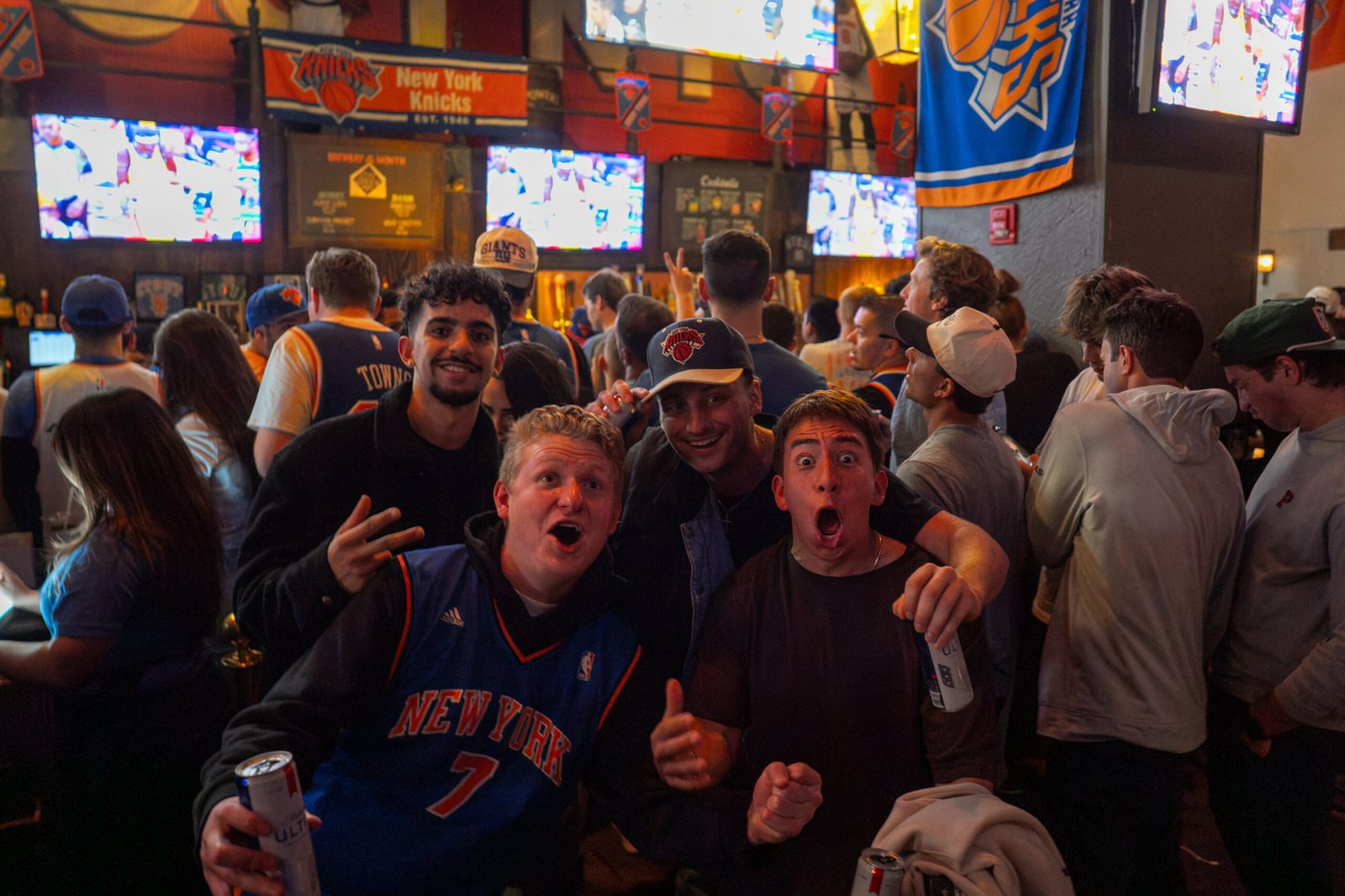
As trading activity in prediction markets surges, analysts are starting to question who’s really behind the momentum. According to a recent note from Truist, the answer may be surprising: College students and teenagers may be driving the rapid growth of prediction markets.
Truist analyst Barry Jonas suggests that 18- to 20-year-olds — many of whom are legally barred from traditional sports gambling in most U.S. states — could be a major force behind the spike in activity. These younger users appear to be gravitating toward prediction platforms that allow participation starting at age 18.
Data from HoldCrunch, a firm founded by a former FanDuel executive, sheds light on this shift. The firm found that Kalshi is seeing more trades tied to college football than to professional leagues like the NFL or NBA. While not all college sports bettors are students, the dominance of college-related trading offers a strong hint about the platform’s user base.
Unlike traditional volume metrics, HoldCrunch evaluates activity using an “OSB-equivalent handle,” which better reflects actual dollars at risk. By that measure, Kalshi’s college football trades accounted for 32% of its total handle during the week ending Jan. 4 — the highest share on record. NFL-related trades made up 24%, while the NBA represented 22%. Kalshi says this tilt toward college sports has been building steadily since October.
Why Prediction Markets Are Taking Off
Prediction markets allow users to trade on outcomes spanning politics, global events, pop culture, and sports. Platforms such as Kalshi and Polymarket have helped push these markets into the mainstream, particularly in states where online sports betting remains illegal.
Even in states where sports betting is permitted, it’s typically restricted to users aged 21 and older. Prediction markets, by contrast, often welcome participants starting at 18, with some state-specific limitations. That age gap alone may explain much of the growing interest among younger users.
“It’s clear that these new offerings are influencing how sports bettors behave,” Jonas noted in his report.
Rising Scrutiny and Regulatory Concerns
The rapid rise of prediction markets hasn’t gone unnoticed by regulators. Charlie Baker, president of the National Collegiate Athletic Association, recently urged the Commodities and Futures Trading Commission to temporarily remove college sports from prediction market offerings until stronger safeguards are established.
Meanwhile, usage data from Juice Reel shows that prediction markets are especially popular in states without legalized sports betting. About 9% of Juice Reel’s California users have linked prediction market accounts — the highest share in the country — followed by Texas at just over 6%. Neither state currently allows licensed online sports betting.

Interestingly, New York ranks second overall, with 6.8% of Juice Reel users connecting prediction accounts, despite the state having legal online sports betting. Analysts believe this may reflect New York’s dense population of financial traders, who are already comfortable with futures, options, and other high-risk instruments. Truist also suspects that 18- to 20-year-olds are contributing to this activity in New York as well.
Bigger Risks, Bigger Rewards
In both New York and California, bettors show a strong tendency to wager outside traditional sportsbooks. New York’s hefty 51% tax on sportsbooks doesn’t apply to alternatives like sweepstakes, daily fantasy platforms, or offshore books — channels that together account for roughly 40% of total handle among Juice Reel users.
Another factor is betting limits. Skilled, high-volume bettors often find themselves restricted on platforms like DraftKings or FanDuel, pushing them toward prediction markets where those limits are looser.
“Some of the biggest and sharpest bettors are moving to prediction markets because sportsbooks cap how much they can wager,” said Ricky Gold.
Juice Reel’s data highlights this imbalance: regulated sportsbooks account for about 70% of all bets placed, yet represent only 38% of total handle. Prediction markets, on the other hand, make up just 1% of bets but generate 13% of the handle — a sign of much larger average wagers.
“Prediction markets magnify both skill and volatility,” Jonas concluded, noting that they can create outsized losses for small-wallet users while offering significantly higher upside for those with deeper pockets.